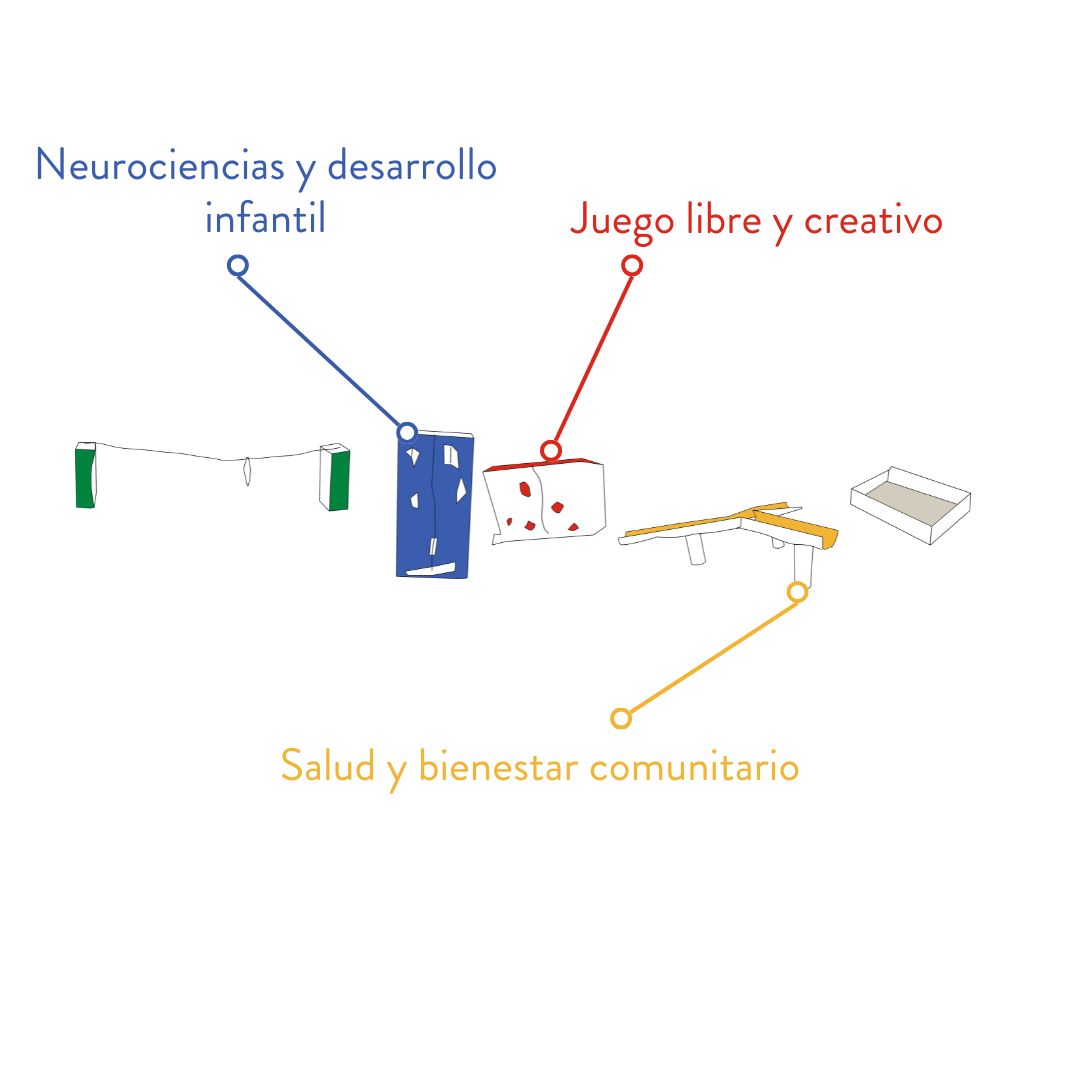





The Neuroplazas project seeks to make public parks a democratic space for child development, where all children can find opportunities for growth, regulation and interaction. Its inspiration stems from the idea that childhood flourishes when the environment invites exploration, feeling and creating, so each park is designed to promote meaningful play and well-being experiences.
Based on principles of neuroscience and nature-based solutions, these parks promote multisensory stimulation, inclusion and emotional self-regulation. They integrate nature into accessible games, safe environments and adapted materials, allowing each child to explore, experiment and learn at their own pace.
The design of Neuroplazas enhances social interaction, motor and cognitive development, and learning through play, offering an enriching environment that supports the holistic development of childhood.
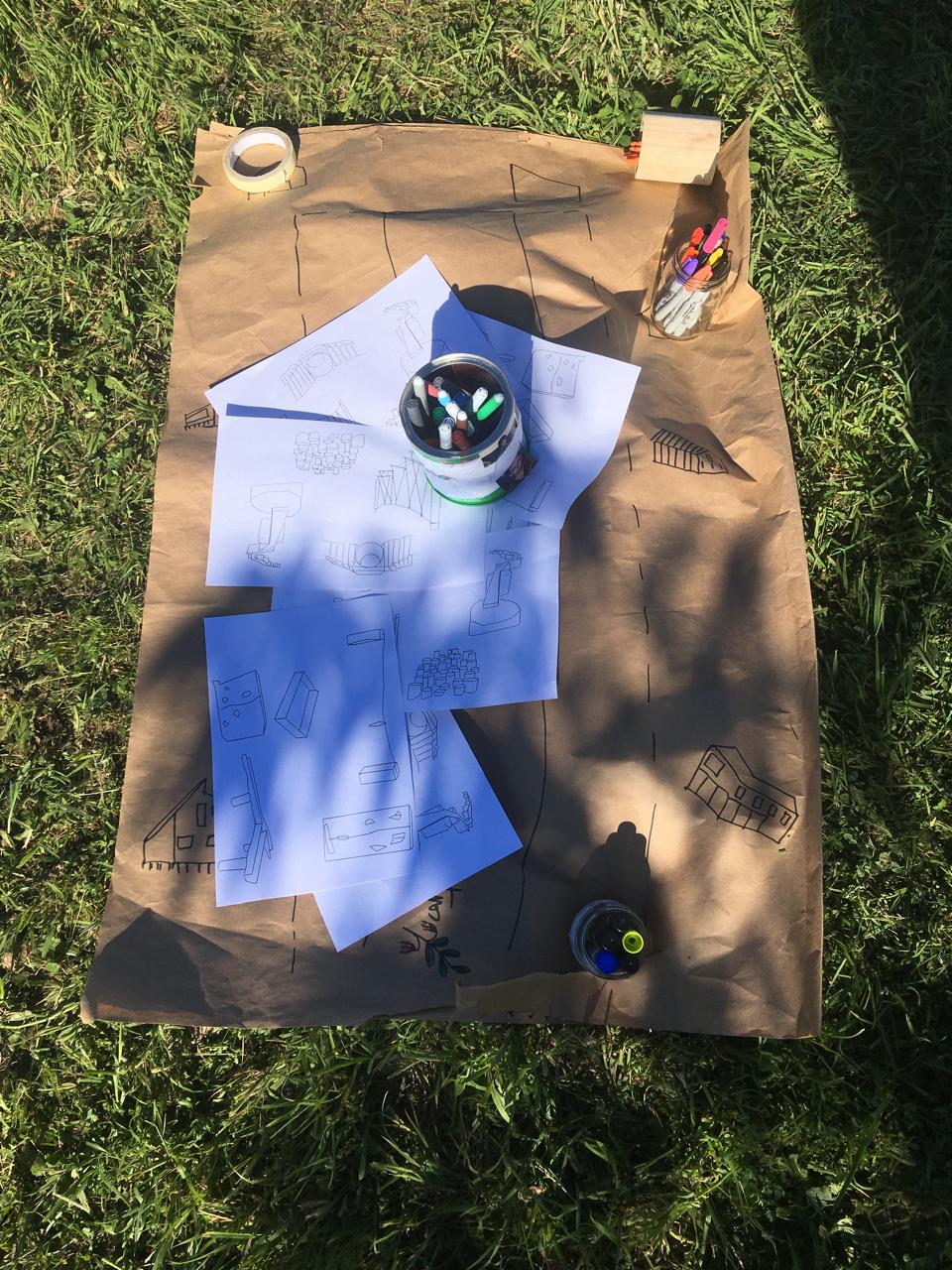
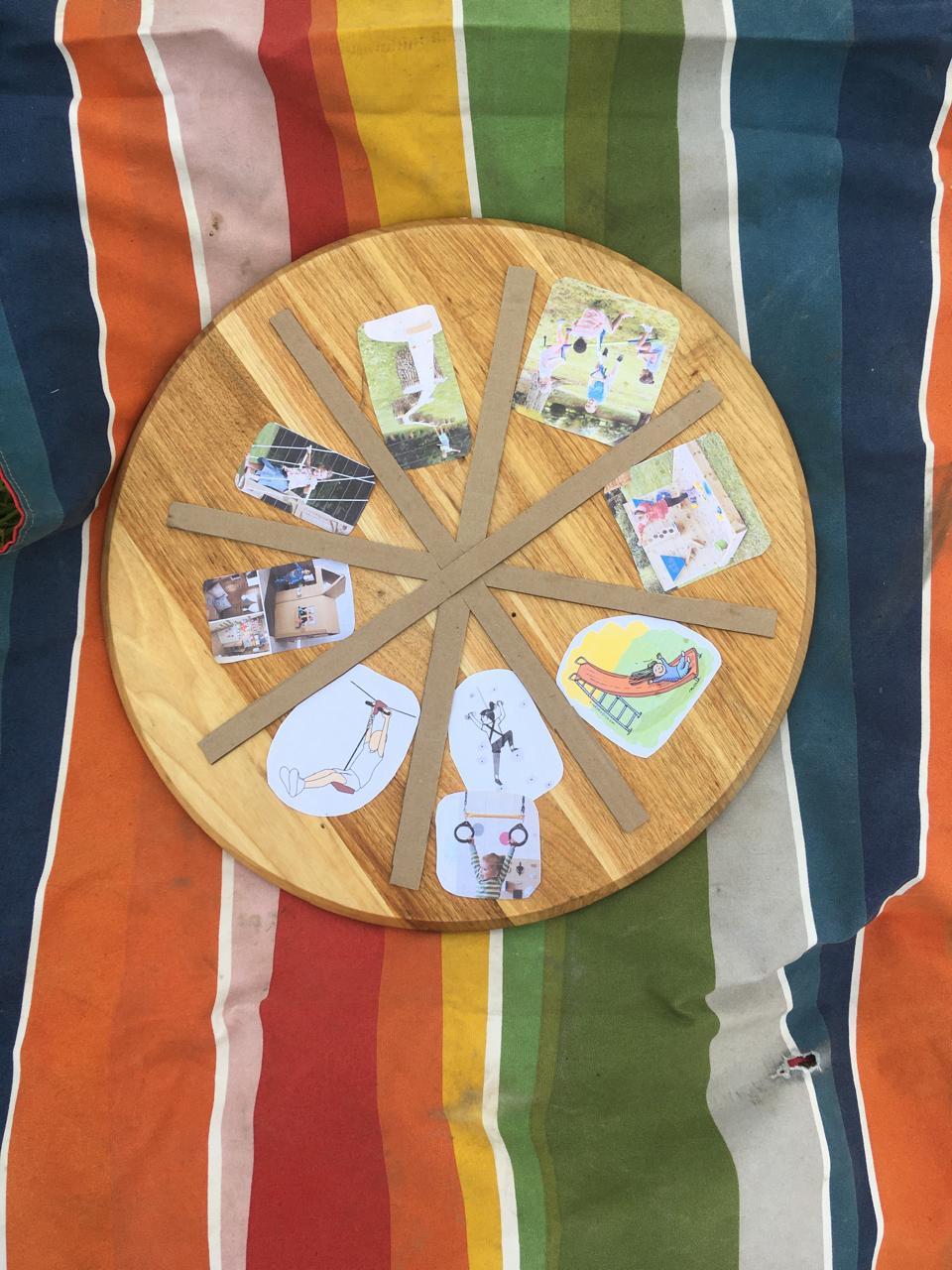
Furthermore, their implementation is built in a participatory way, together with specialists in neurodevelopment, pedagogy and architecture, ensuring innovative, relevant and constantly evolving spaces.